
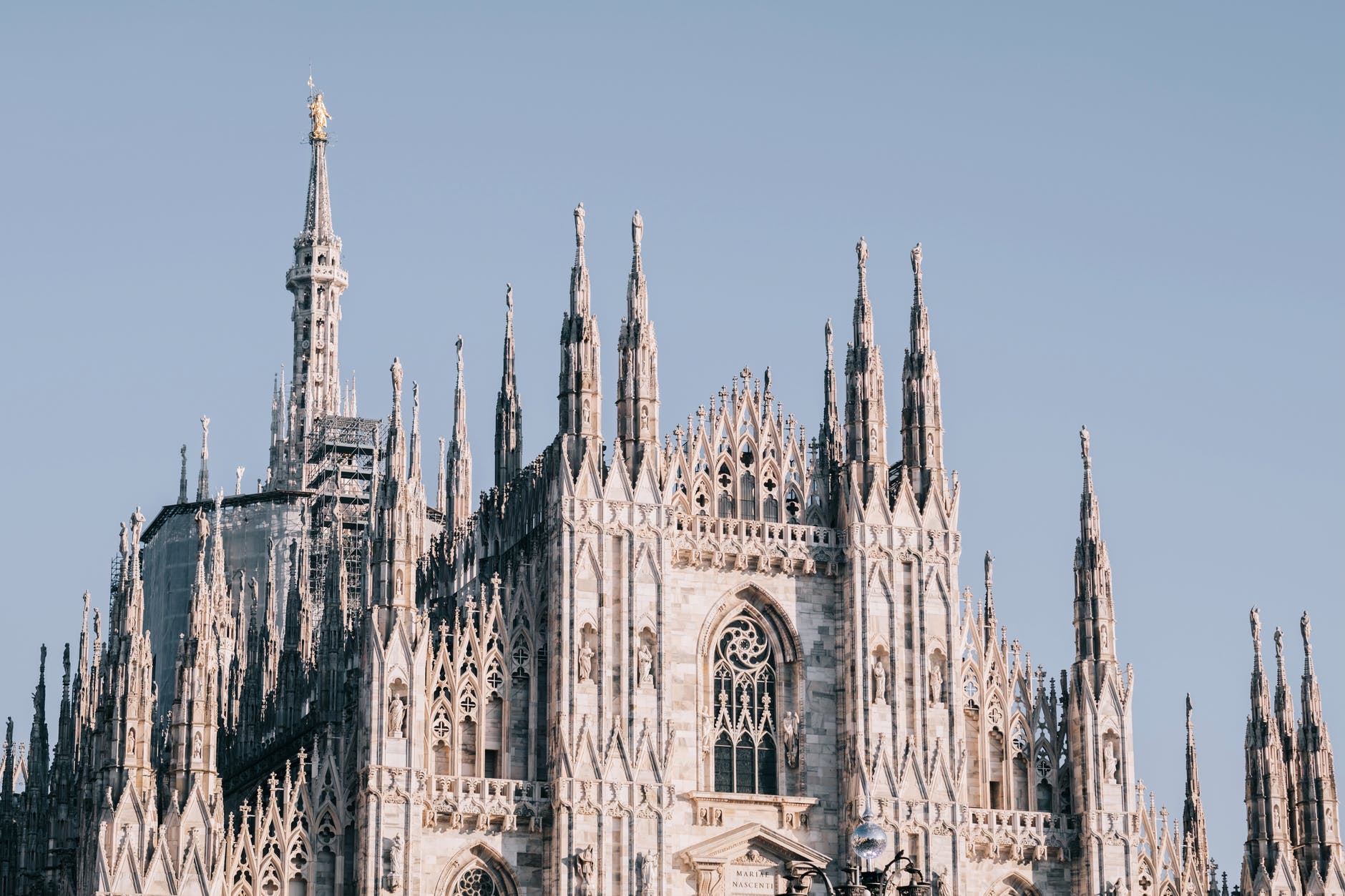
Milan (Milano) is a city of contrasts. It’s place where Gothic spires and Renaissance art rub shoulders with sleek skyscrapers and high-end fashion boutiques. The Duomo di Milano (Milan Cathedral) is one of the most iconic churches in the world and a masterpiece of Gothic architecture. Far more than just Italy’s financial hub, Milan is a living canvas of culture, fashion, style, and reinvention. Also, you must savor Milan: food, Italian aperitivo and local flavors.
Nestled in the Lombardy region of northern Italy, Milan is Italy’s second-most populous city after Rome. Milan is also a global powerhouse in fashion, design, business, and the arts. National Geographic+2Travel Guide to Milan+2 Its origins trace back to antiquity (the Romans called it Mediolanum). Then, over centuries it has been shaped by Visconti, Sforza, Napoleonic, Austrian, and modern Italian rule.



What to See & Do
1. The Duomo & Rooftops
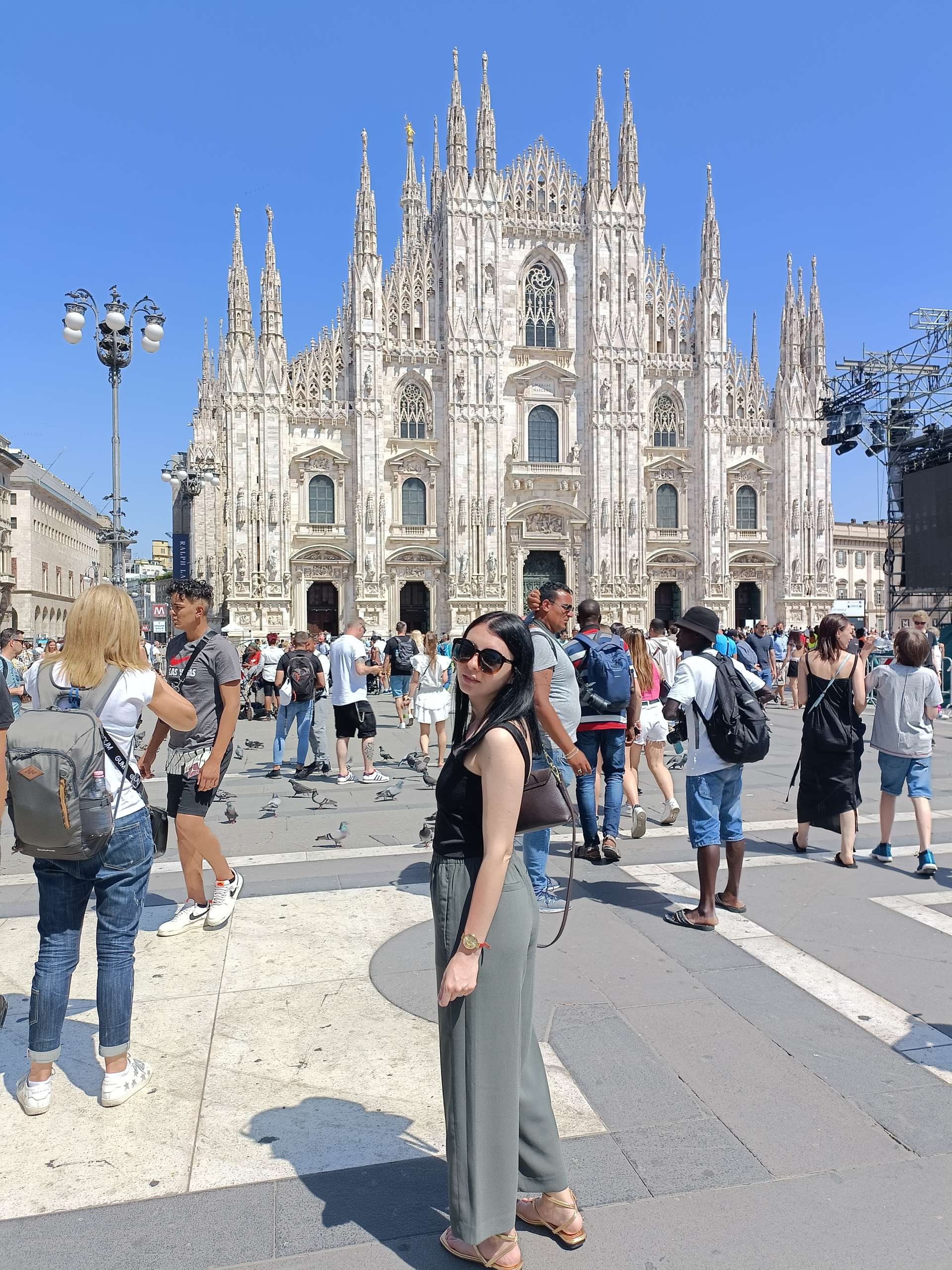
The Duomo di Milano is impossible to miss — a vast Gothic cathedral with thousands of statues, pinnacles, and details. If you can, take the elevator or stairway to the rooftop terraces: the view over the spires toward the Alps on a clear day is unforgettable. Moreover, don’t forget to look for the Madonnina, the golden statue of the Virgin Mary atop the cathedral. Wikipedia
2. Galleria Vittorio Emanuele II
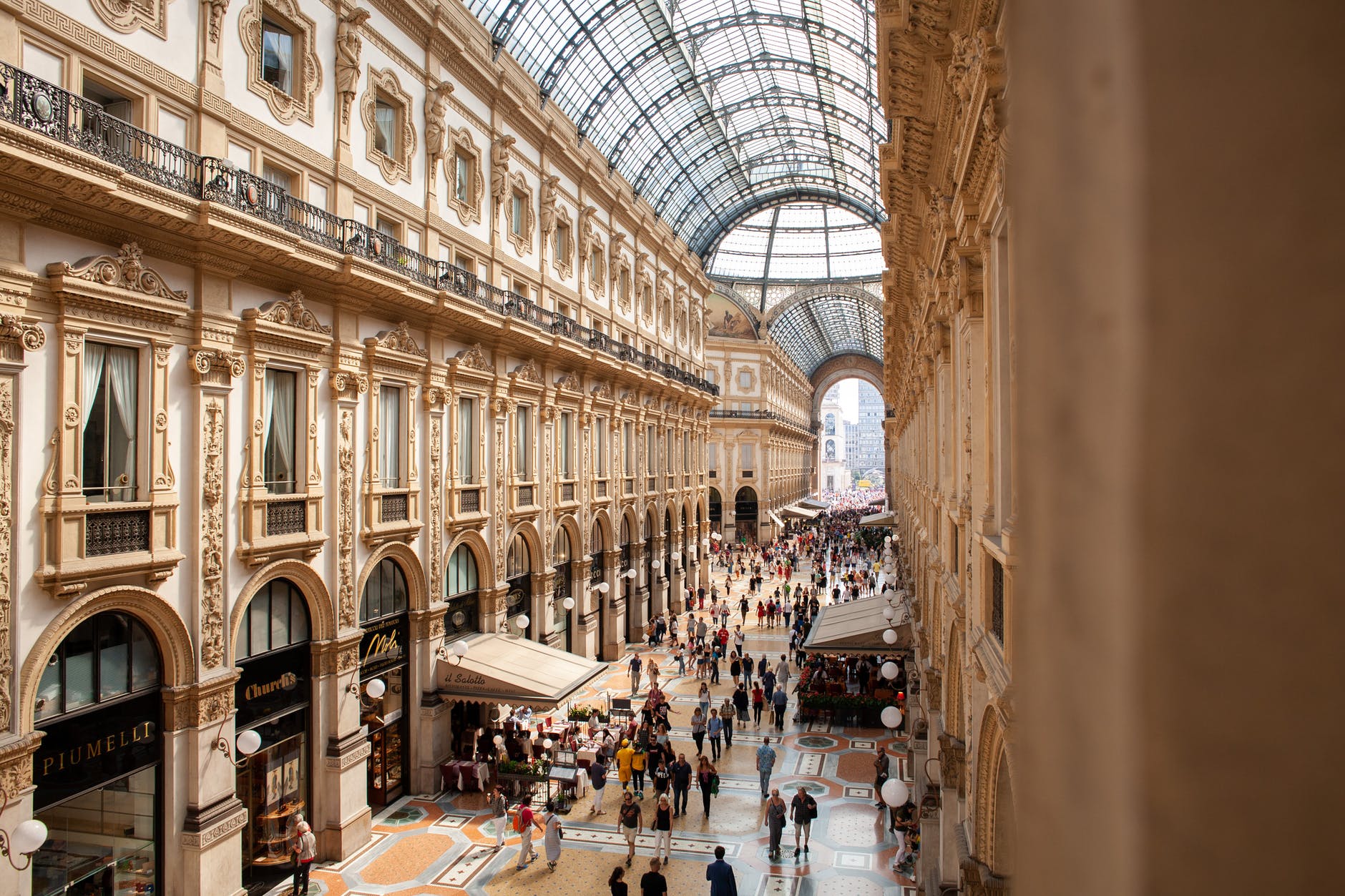
Right beside the Duomo di Milano, the Galleria is one of the world’s oldest shopping arcades and also one of Milan’s most elegant indoor spaces. Its glass dome, intricate ironwork, and also the mosaic floors make it feel like a palace as much as a mall. Moreover, don’t miss the mosaic bull in the floor and the quirky tradition of spinning on its testicles for good luck.
3. Castello Sforzesco & Parco Sempione
Once the fortified residence of Milan’s ruling families, Castello Sforzesco now hosts both permanent collections (art, archaeology, sculpture) and also rotating exhibits. Behind it, Parco Sempione offers a lush green respite — stroll its paths, relax by the pond, and then head toward the Arco della Pace (Peace Arch) in the western corner.
4. Brera & Pinacoteca
The Brera district is a charming mix of narrow streets, cafés, galleries, and boutiques. At its heart is the Pinacoteca di Brera. It is one of Italy’s leading art galleries, with works spanning from the Middle Ages to the 20th century.
5. Modern Milan: Porta Nuova, Porta Garibaldi & Piazza Gae Aulenti
Milan isn’t all old stone and palaces. In the Porta Nuova / Garibaldi area, you’ll find striking modern architecture: Bosco Verticale (Vertical Forest towers), glass towers, public plazas, and also sleek streetscapes. Moreover, the pedestrian Piazza Gae Aulenti anchors this zone with sweeping views and a fresh, contemporary pulse.
6. Navigli & the Canal‑Side Evenings
The Navigli district (narrow canals) is beloved for its bohemian energy, artsy workshops, cafés and — especially — its vibrant aperitivo and nightlife scene. Stroll along the canals at dusk and find a cozy bar for an early evening drink + snacks.
Savor Milan: Food, Italian Aperitivo & Local Flavors
- Classic foods you must try in Milan: risotto alla Milanese (saffron risotto), cotoletta alla Milanese (breaded veal cutlet), ossobuco.
- The city is the birthplace of the Italian aperitivo — a pre-dinner drink with small bites. Look for bars in Galleria, Brera, and Navigli. Italian aperitivo in Milan is more than just a pre-dinner drink—it’s a cultural ritual, a social moment, and one of the best ways to experience the city’s lifestyle.
- For upscale dining, check out restaurants like Cracco or Il Luogo di Aimo e Nadia, which combine tradition with innovation. italy-tourist-information.com
Tips for Getting Around & Planning
- Milan has a strong public transit network (metro, trams, buses). A single-journey ticket is ~€1.50; day passes and regional passes are available.
- Taxis are relatively expensive; avoid driving into the centro storico. Parking is scarce and there’s a congestion charge for entering the center.
- Best times to visit: spring (April–June) and also fall (September–October). Then the weather is pleasant and the city isn’t at peak tourist volume.
- Some attractions require advance booking (especially rooftop access at the Duomo, and The Last Supper).
- Take time to balance highlights and local neighborhoods. Sometimes wandering off the beaten path reveals delightful cafés, quiet courtyards, and hidden charm.
What Makes Milan Unique
- It’s a fashion and design capital. Milan hosts major fashion weeks, and top designers like Prada, Versace, Armani have strong roots here. National Geographic+1
- It’s a city of contrast and evolution. It has an ancient core. Then, Renaissance layers, postwar growth, and also ambitious contemporary development coexist side by side.
- There’s an edgy, dynamic energy: Milan doesn’t rest on its historical laurels but continuously reinvents itself.
- Its cultural institutions are robust — from opera (La Scala) to museums, galleries, and exhibitions.
Final Thoughts on Milan
Milan is a city that surprises. On the surface, it’s sleek, fast-paced, and business-minded. But give it a moment, and it reveals deep layers of history, art, culture, and character. From the grandeur of the Duomo to the quiet charm of Brera’s cobbled lanes. From the glossy windows of the Quadrilatero d’Oro to the down-to-earth cafés along the Navigli canals, Milan blends old and new in a way that few cities can.
It’s not a city that tries too hard to impress — and that’s exactly why it does. Whether you’re drawn by fashion, food, design, or heritage, Milan has a way of drawing you in slowly, rewarding those who look beyond the surface. It’s a destination worth savoring — stylish, smart, and always evolving.
If you’re planning a visit, don’t just see Milan — experience it. Walk its streets, sip its coffee, watch its people, and let its contrasts tell you the story of a city that’s always on the move, but never forgets where it came from.
Get inspiration in our posts:
Have questions or want to connect?
Thanks for reading!